Your lawn is a point of pride and an extension of your home. It elevates your garden and provides a great greenspace for hosting or letting your furry family members roam. You want your lawn to look lush and green, not patchy and brown.
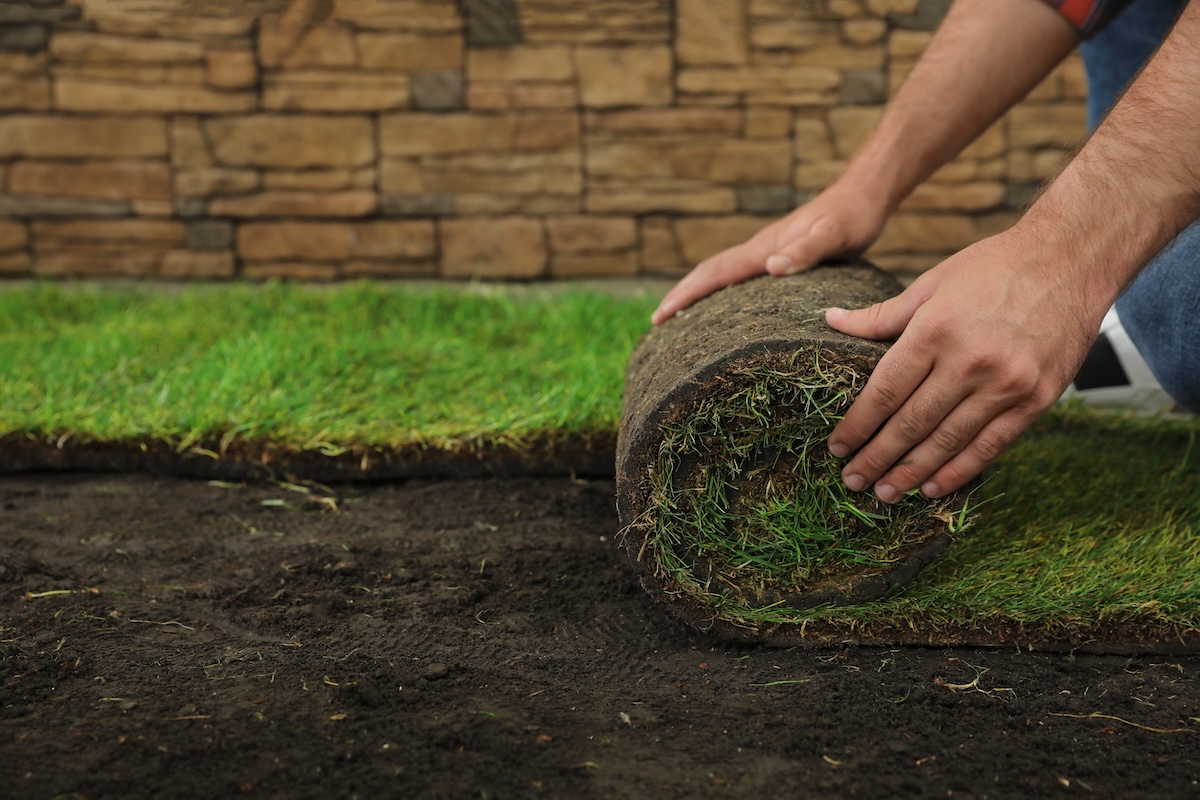
If your grass is suffering from harsh winter weather, it might be time to refresh your topsoil. Good topsoil is the key to a beautiful lawn you can be proud of. By using the best topsoil for planting grass, you’ll have the proper foundation for strong, thick blades that will last through the summer.
There are lots of soil options on the market, but not all are the proper choice for planting grass. Let’s walk through the right characteristics for good topsoil and the best options for your next grass planting project.
Find the Proper Texture
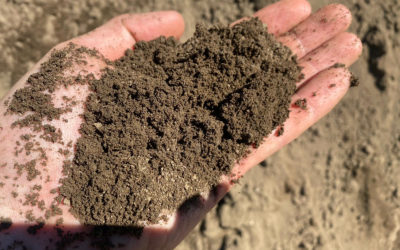
For grass to grow well, it’s important that your topsoil is not heavily compacted. Compaction prevents roots from moving through the soil and spreading out. Additionally, if there are too many large rocks or pieces of gravel in your topsoil mix, this will make seeding and growth more difficult. A healthy balance between some debris and a loose texture is optimal.
Balance the pH
The proper pH for your topsoil is very important because it affects the nutrient availability. Grass grows well in a slightly acidic to neutral pH environment, between a 6.0 and a 7.0 on the pH scale. Even though the difference between a 5 pH and a 6pH topsoil may seem small, it could be the reason that your lawn never takes off. Because of how the pH scale is measured, a pH of 5 is actually ten times more acidic than a pH reading of 6. This metric alone could be make-or-break for your lawn.
Local extension offices in Kentucky can test the pH level of topsoil.
Prioritize Good Drainage
A topsoil that doesn’t drain properly will doom your lawn before it even starts growing. Good drainage is key for preventing root rot and an environment that’s inhospitable to growth. Lawns tend to thrive in soil that has a balanced mix of sand, silt, and clay. This combination ensures good drainage and growth.
Feed Your Grass Proper Nutrients
Good topsoil will have the right amount of organic matter in it. Organic matter is the material that gives your grass nutrients to feed on. It is formed over time from decomposing organic material like plants and animals. Organic matter for topsoil includes levels of phosphorus (P), potassium (K), iron (Fe) and nitrogen (N) which are crucial for optimal growth.
Shredded vs. Non-Shredded Topsoil
When choosing the best topsoil formula for planting grass, a combination of shredded and non-shredded topsoil is ideal. Putting non-shredded on the bottom and shredded on the top creates an environment that’s best for grass to grow. Non-shredded acts as a base by providing root stability and growth, while shredded acts as the topcoat.
Non-shredded soil is usually taken straight from the ground, without being screened. It retains its roots and clumps. This non-screened topsoil is cost-effective, allows for natural water drainage, and helps with nutrient retention. Shredded topsoil, or “screened” topsoil, has been sifted to remove debris and large particles.
One of the best topsoils for growing grass is a non-screened loam. Loam will give your grass an ideal balance of clay, sand, and silt. These components make the soil fertile and help it retain moisture as well as provide proper drainage.
How much topsoil do you need?
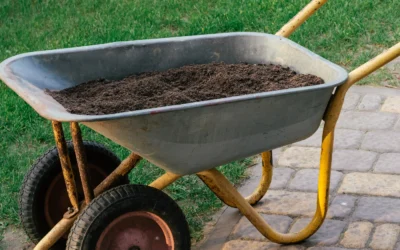
Depending on the size of your lawn, you’ll need a certain amount of topsoil for a full-coverage grass growing project. If you’re just trying to fill in some patches, you’ll need less.
For new lawns, about 4-6 inches of topsoil should be spread over the growing area. For patches, about 2-3 inches of topsoil will be sufficient. Layering straw over your topsoil will help keep seeds from blowing away, deter birds who want to eat them, and retain moisture.
—
If you want to calculate how much topsoil you’ll need, check out our materials calculator.
Request a quote and we’ll deliver topsoil to you in the Greater Cincinnati area.